
Understanding Moving Valuation Coverage and Transit Protection
Relocating to a new home or office is often a mixture of excitement and anxiety. Whether you are moving right into the heart of the city or settling down somewhere quiet just outside The Perimeter, ensuring your belongings arrive safely is always a top priority. Unfortunately, the moving and storage industry has seen its share of rogue operators and scams, leaving many customers skeptical about trusting strangers with their most valued possessions. At TrueSmith Moving, we believe that peace of mind should be standard. Our entire approach is built on three core values: customer-centered service, integrity, and accountability.
When you hire professional movers, one of the most critical steps to safeguarding your peace of mind is understanding how your items are protected during transit. Many people assume their belongings are automatically fully insured the moment they are loaded onto a truck, but the reality involves a specific set of regulations overseen by the Federal Motor Carrier Safety Administration (FMCSA). Navigating these regulations, tariff filings, and liability options can feel overwhelming. By breaking down how transit protection actually works, you can make informed decisions, avoid hidden fees, and ensure your next transition is handled with the utmost care.

Valuation Coverage Versus Moving Insurance Explained
When reviewing moving and storage quotes, one of the most common questions we hear is regarding the difference between valuation coverage and traditional insurance. While they sound similar, they function quite differently. Valuation coverage is a tariff-based level of liability that moving companies legally assume when transporting your household goods. It is not an insurance policy governed by state insurance boards, but rather a federal requirement that dictates how much the mover is required to compensate you if an item is lost or damaged.
There are generally two types of coverage offered. Released value protection is the basic, no-cost option required by law, but it only covers your items at a minimal rate per pound per article, which is rarely enough to replace a damaged television or heirloom furniture. On the other hand, full value protection moving coverage options provide a much more comprehensive safety net. Under this level of liability, if an item is damaged, the moving company is responsible for either repairing the item, replacing it with a similar item, or making a cash settlement for the current market replacement value.
It is also worth noting that your homeowners or renters insurance might provide some level of coverage during a move, but policies vary wildly. We always recommend checking with your insurance agent to see what overlaps might exist. Regardless, choosing a licensed, FMCSA-compliant moving company that offers transparent valuation options is your best defense against unexpected out-of-pocket costs.
How to Protect High Value Items During Transit
Handling delicate, irreplaceable, or exceptionally expensive items requires more than just standard boxes and bubble wrap. For those wondering how to protect high value items during transit, the answer lies in specialized care and methodical processes. This is especially true for our residential moving clients who are trusting us with family heirlooms and delicate antiques that have been passed down for generations.
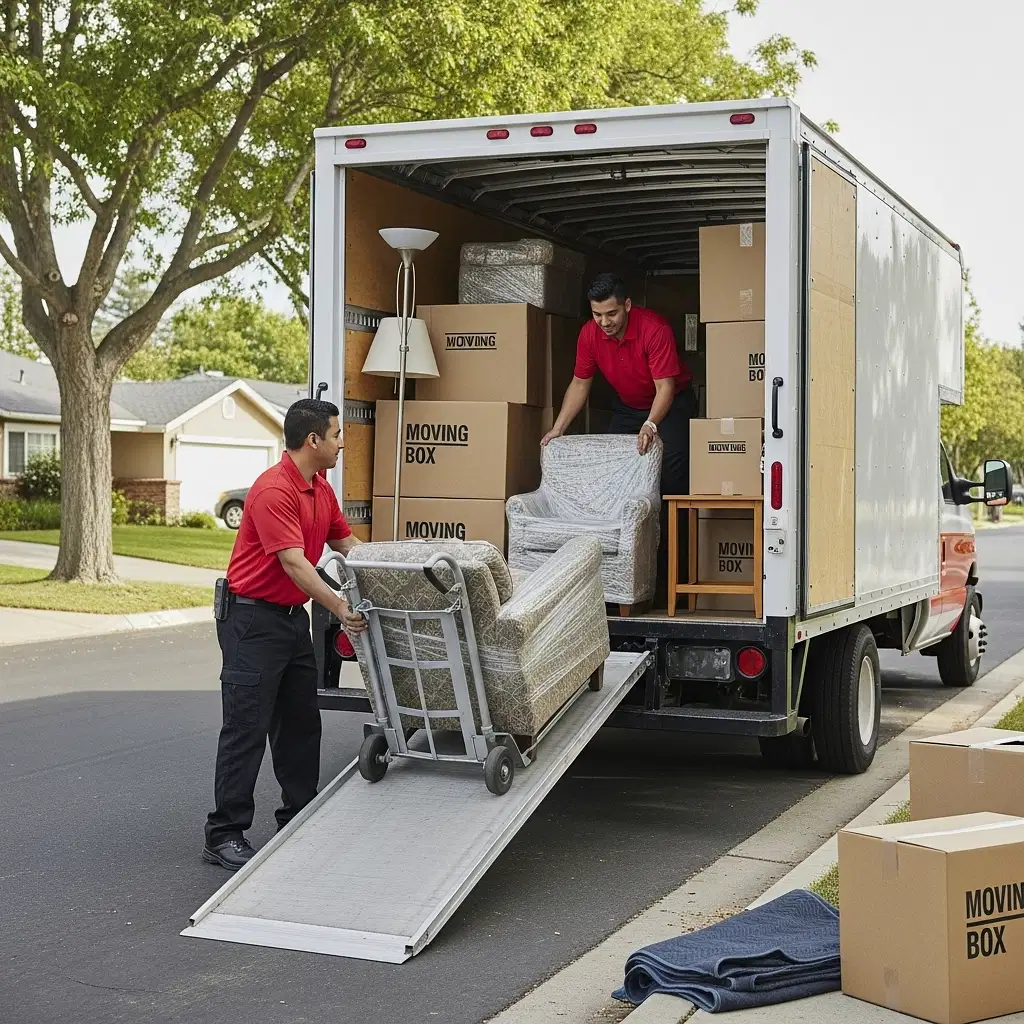
Our specialty item moving service is designed specifically to mitigate risk and eliminate the stress of transporting these treasures. The process begins with a detailed initial consultation to identify the exact services you need, followed by transparent contract signing. Before moving day, we conduct a pre-move check-in call to ensure every detail is aligned. On the day of the move, a dedicated on-site team lead coordinates the entire operation, ensuring that fragile pieces are custom-crated and shielded from everything from accidental bumps to the tracking of Georgia red clay into your new living room. We only collect payment at the end of the service, ensuring you are completely satisfied with the condition of your belongings upon arrival.
Navigating Estimates, Contracts, and Claims
Accurate pricing and clear contracts are the foundation of a trustworthy moving experience. When gathering estimates, you will encounter both binding and non-binding quotes. A non-binding estimate provides a projected cost based on the estimated weight of your goods, meaning the final price can fluctuate. A binding estimate, however, guarantees the total cost of the move based on the items listed in the inventory, provided no additional services or items are added on moving day.
To ensure our estimates are as precise as possible, we embrace modern technology, including AI-driven virtual survey tools that allow us to accurately assess your inventory without a lengthy in-home visit. This transparency helps combat the high overhead costs and fuel volatility that often lead rogue movers to spring hidden flight charges or long carry fees on unsuspecting customers.
Furthermore, understanding moving company liability and damage claims is crucial before you sign anything. If the unthinkable happens and an item is damaged, a reputable company will have a clear, documented process for you to file a claim. Whether you are organizing a complex commercial moving project or relocating your family, knowing the exact steps to resolve a claim quickly and fairly is a hallmark of a professional moving partner.
Moving Forward with Confidence
Moving does not have to be a gamble with your most cherished possessions. By taking the time to understand the differences in liability coverage, insisting on transparent estimates, and working with a team that values accountability, you can turn a stressful chore into a seamless transition.
If y'all are planning a relocation within the Greater Atlanta Area and want to experience a truly customer-centered approach to moving and storage services, we are here to help. Reach out to TrueSmith Moving today to discuss your unique needs, and let our dedicated professionals ensure your next move is your best move.